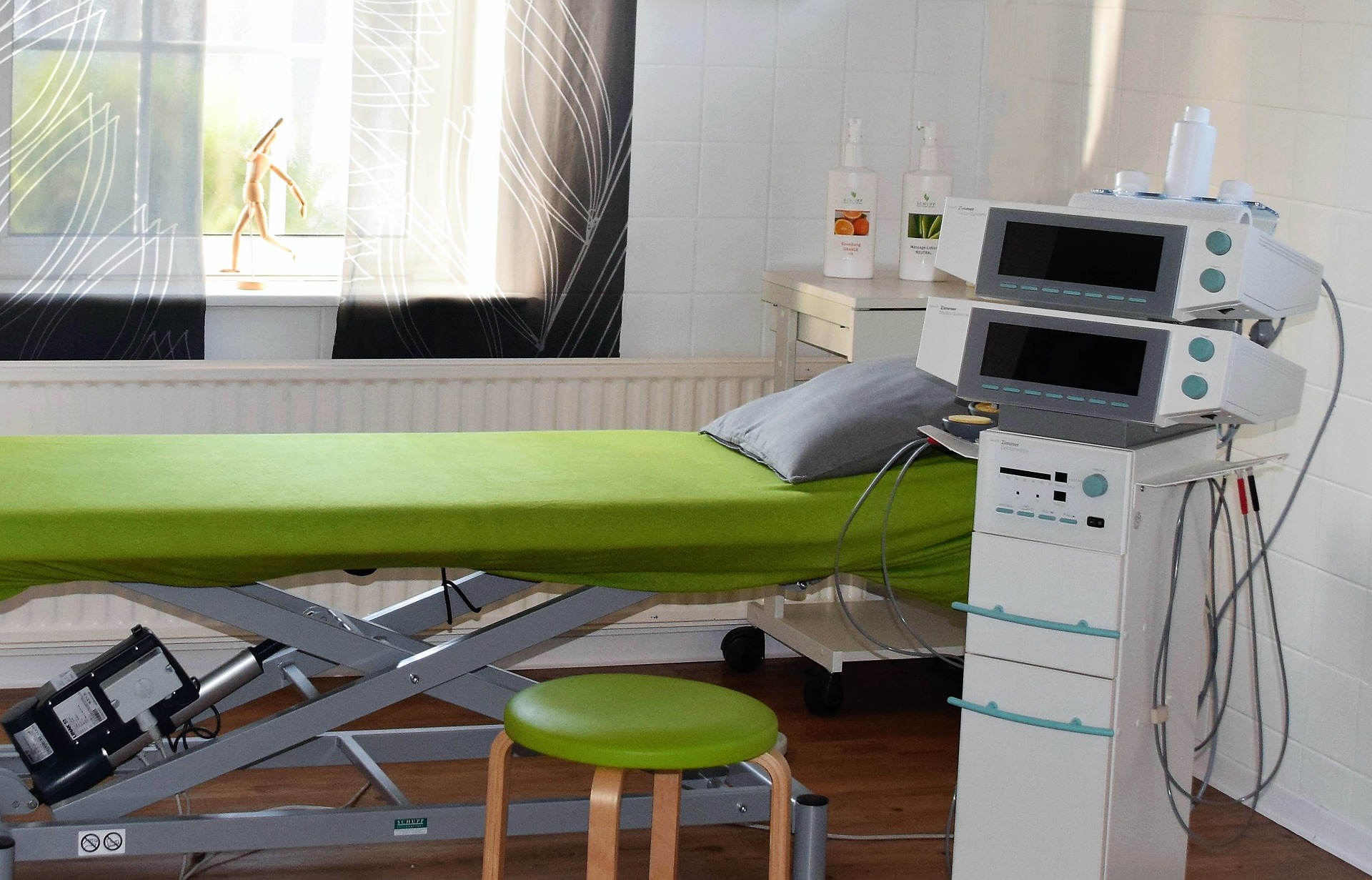
A physiotherapist is someone who specialises in restoring movement and function.
A physiotherapist is a part of the allied health professional and is an important professional, just as important as surgeons and doctors.
Just like in almost any career, physiotherapists can specialise in a particular area of physiotherapy.
In this blog post, I am going to talk about physiotherapist who specialises in Rheumatology, also known as a rheumatological physiotherapist.
Make sure to check out my other blog posts on the other types of physiotherapists.
So, what is rheumatology?
That is probably the first thing you are probably thinking.
Rheumatology is a branch of medicine that looks at the treatment and diagnosis of rheumatic disease.
These include autoinflammatory diseases, autoimmune diseases, metabolic bone diseases, pain syndromes and crystalline arthritis.
Now let’s look at one of these categories in a little bit more detail.
Rheumatological Physiotherapist: Autoimmunity disease
In your immune system, the white blood cells will recognise “self”, which are basically the cells that apart of you and are not foreign cells, or in more scientific term, pathogens.
Your immune system attack pathogens and destroys them by engulfing them through phagocytosis, or by producing antibodies.
Autoimmunity is when antibodies react with self-antigens and attack the body.
However, this happens to everyone and is generally harmless.
An autoimmunity disease is when antibodies react with self-antigens attack the body and cause pathology.
Autoimmunity diseases cause inflammation in the tendons, joints, ligaments and muscles.
Rheumatological diseases are also classified into two sections, non-inflammatory and inflammatory.
Examples that go under non-inflammatory are osteoporosis and osteoarthritis and for inflammatory are rheumatoid arthritis and gout.
So, you now know a little bit more about rheumatology and rheumatological disease.
So where do physiotherapist come in? And what does a rheumatological physiotherapist do?
As I said before, autoimmunity causes inflammation in the tendons, joints, ligaments and muscles.
Rheumatological physiotherapist treats rheumatological conditions including some of the ones that I have listed above such as gout, osteoarthritis, lupus, rheumatoid arthritis, septic arthritis, and ankylosing spondylitis.
In terms of what type of treatment rheumatological physiotherapists use solely depends on the severity of the disease and the symptoms.
Here is a list of the types of treatments that they do. I will be doing blog posts on each treatment in more detail, so be attentive for my next blog post!
- Wax Therapy
- Cryotherapy
- Pain control modalities
- Splinting
- Hydrotherapy
- Strengthening
- Cardiovascular activities
- Pacing advice